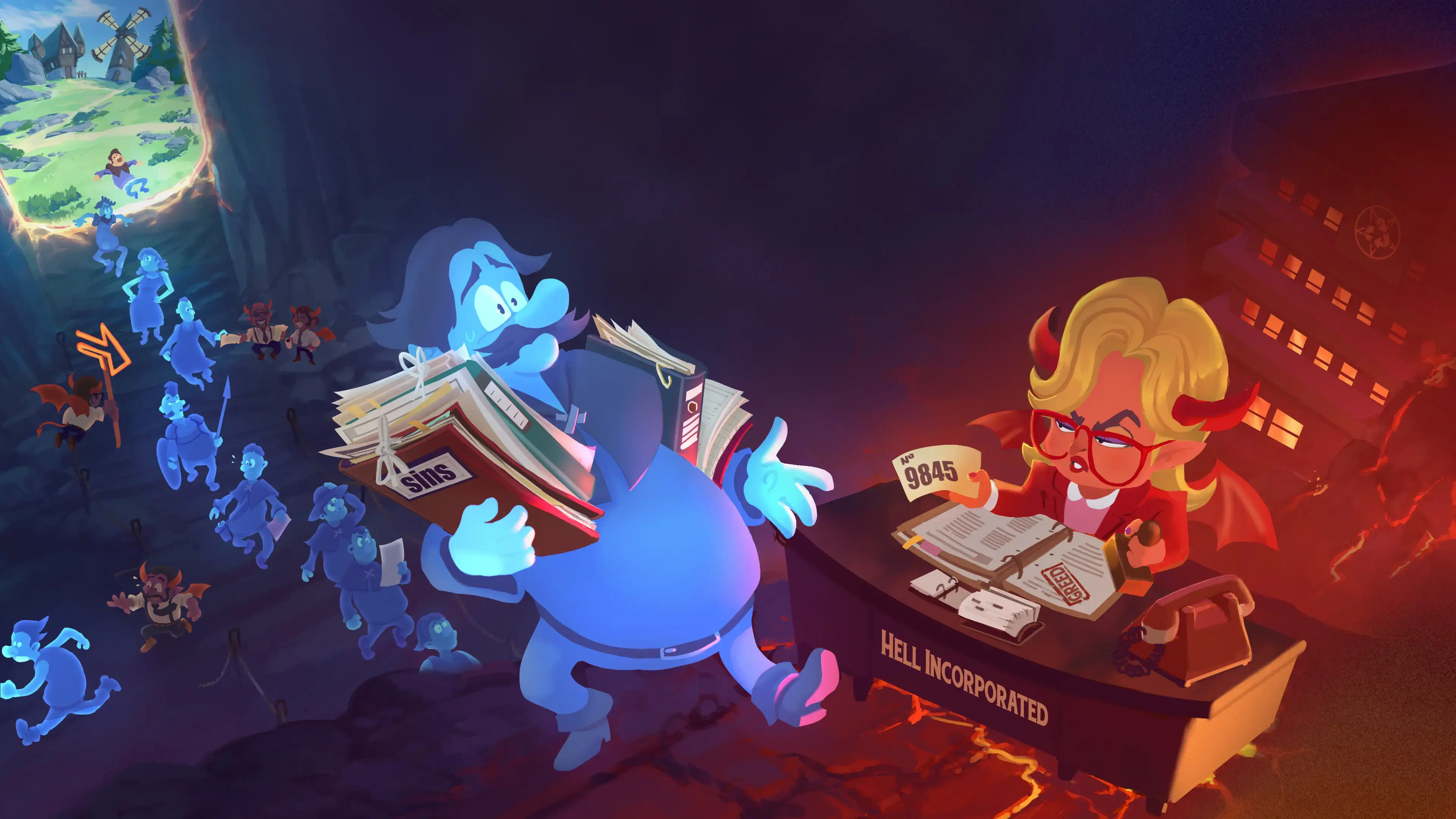
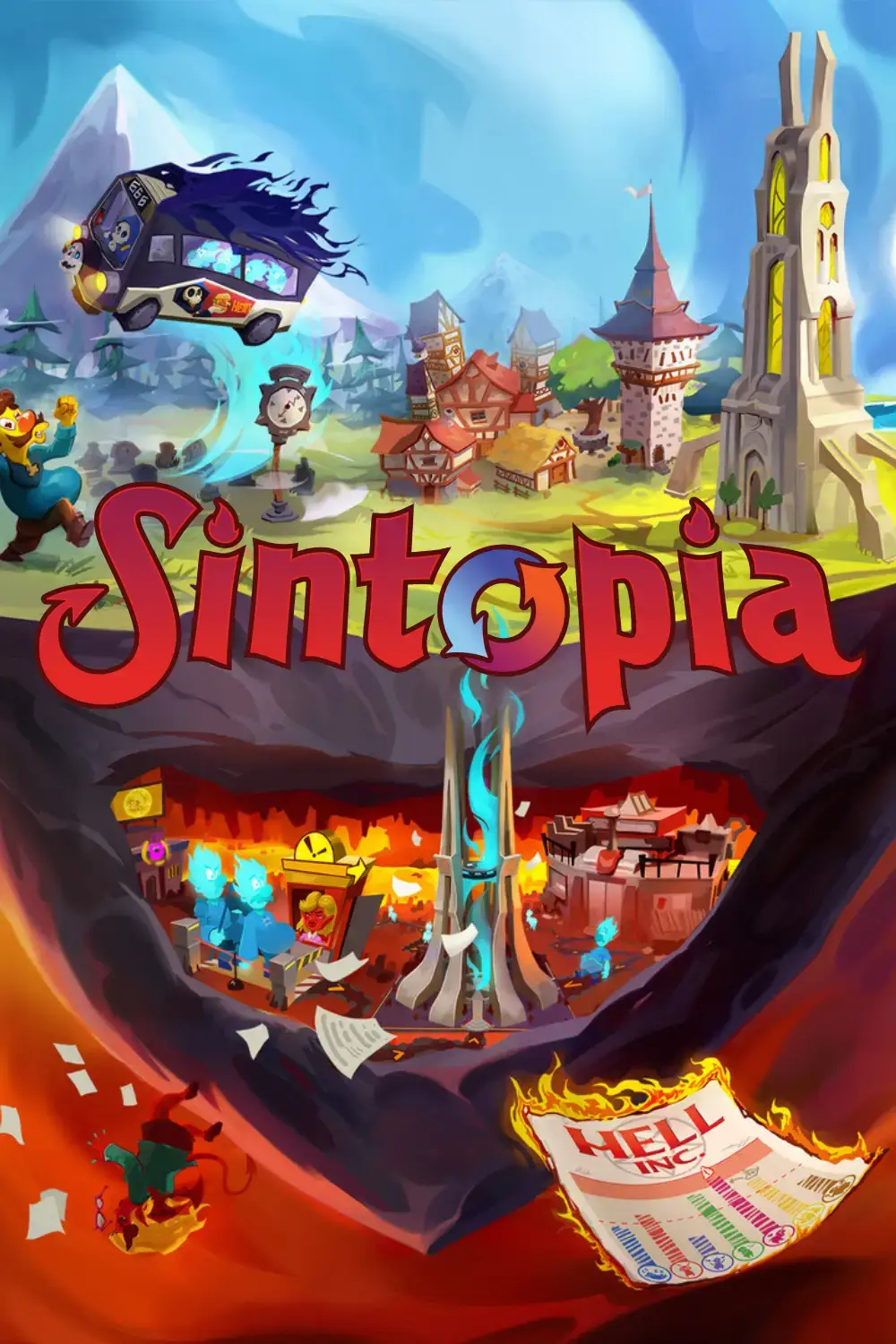
Upon closer inspection, however, the game mechanics of Sintopia reveal that this isn't an ordinary company management simulator. Rather, it offers a fascinating combination of factory automation games and old-school god games of the 90s such as Dungeon Keeper and Black & White. Extremely complex yet not overly complicated, Sintopia is one of the quirkiest games you will play. Let's take a look at what makes it good, and what needs fixing.
Devilish Circuit Design
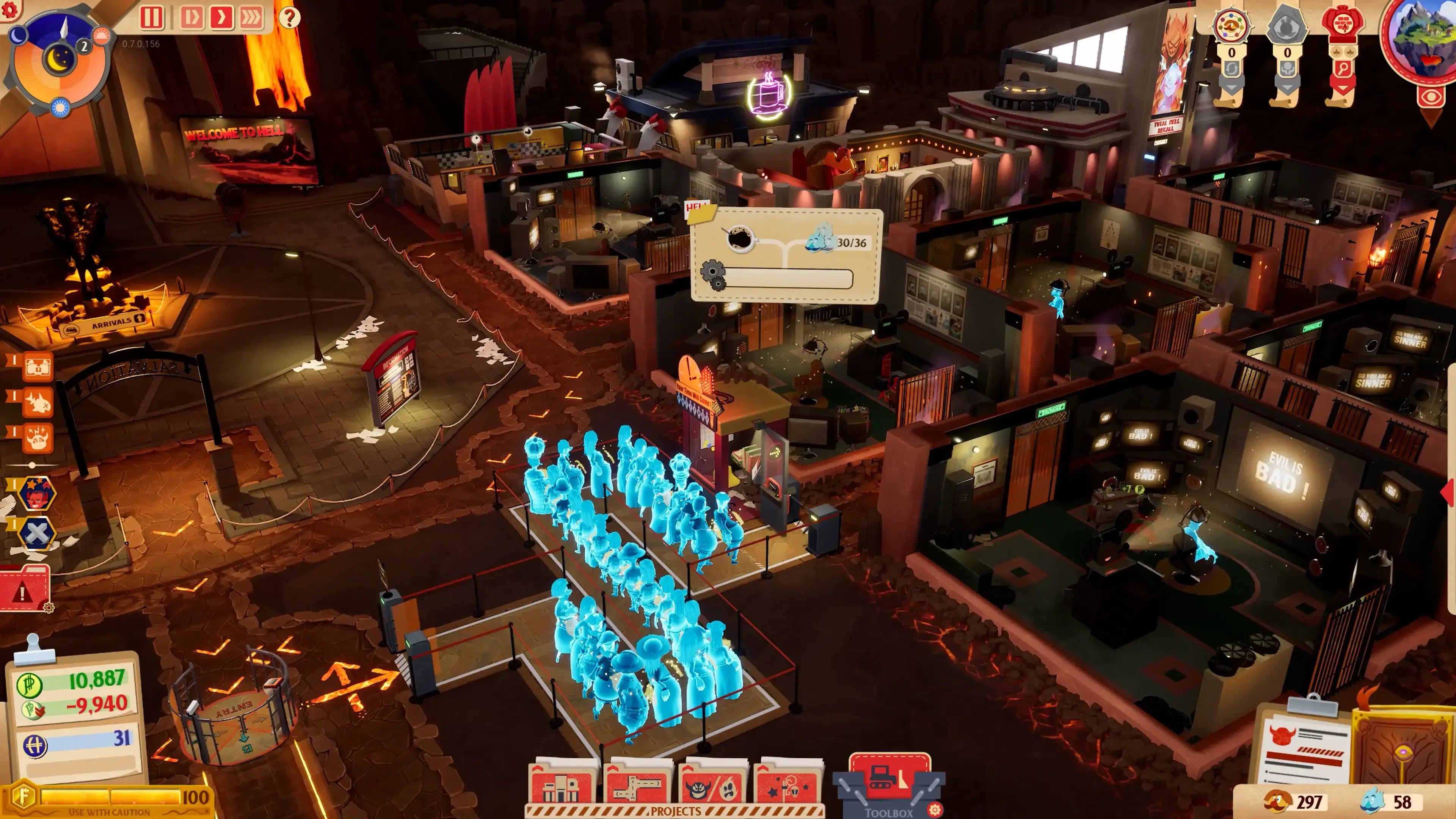
The game has a unique asymmetrical gameplay loop with a focus on both Hell and the Overworld. In Hell, you play as your typical factory or tower defense game. Your souls walk along predetermined paths through various purification devices, while your job is to manage their workflow and ensure no problems arise during processing.
It all comes down to removing bottlenecks. The paths between purification devices must have one-way streets and crossroads. There are logic gates where you can create some really interesting designs, and your goal is to process the souls before their sins pile up and they turn into evil monsters. Once a soul's sins accumulate enough, it becomes a monster that can destroy your factory.
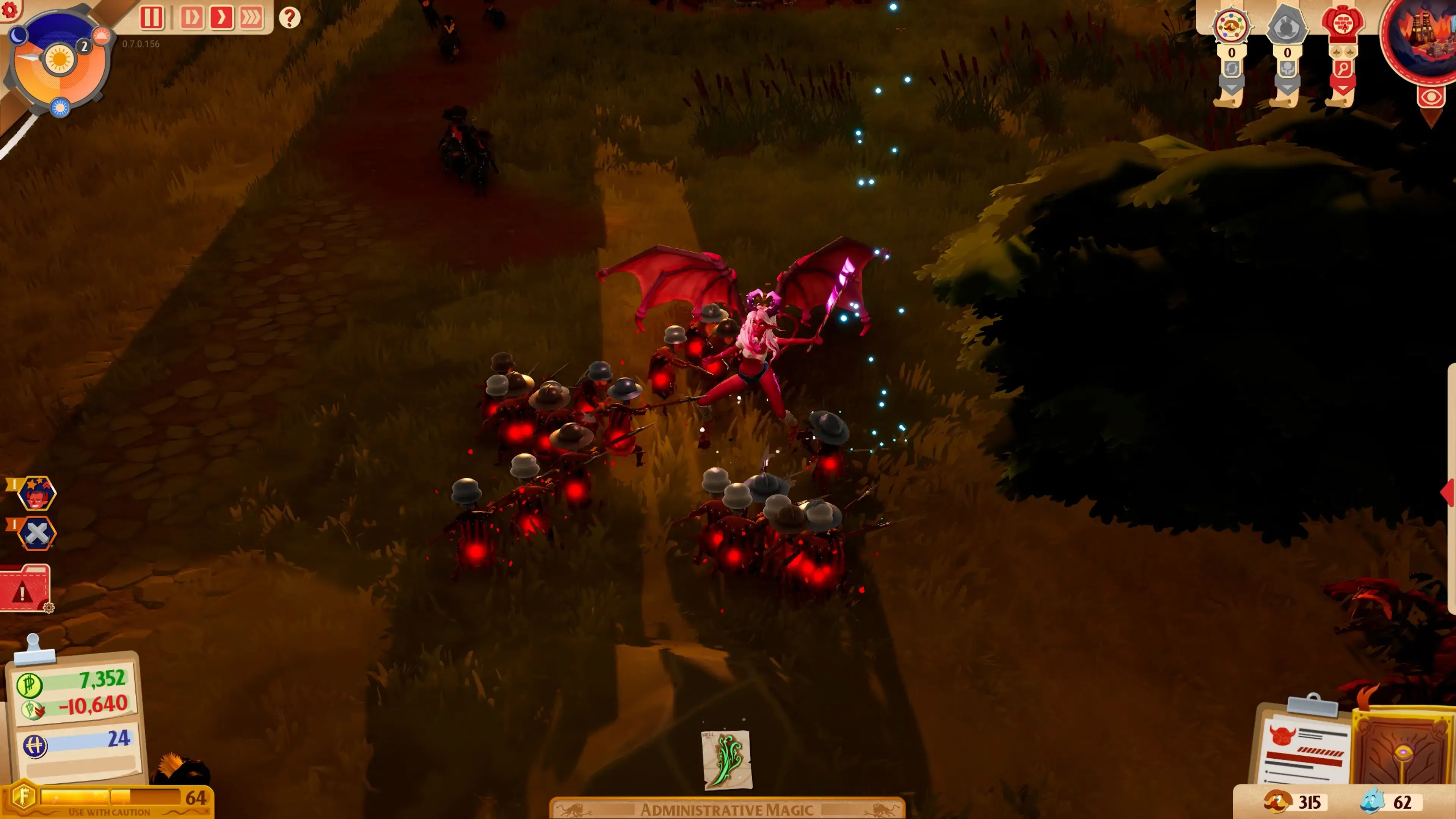
To prevent this, you can cure the soul and send it back to the Overworld, or encourage their sinful behavior so that they become useful "imployees." Building specialized facilities that deal with various sins, and then managing their workflow and ensuring that nothing goes wrong, is extremely fun for fans of automation games.
Playing God with Chickpeas
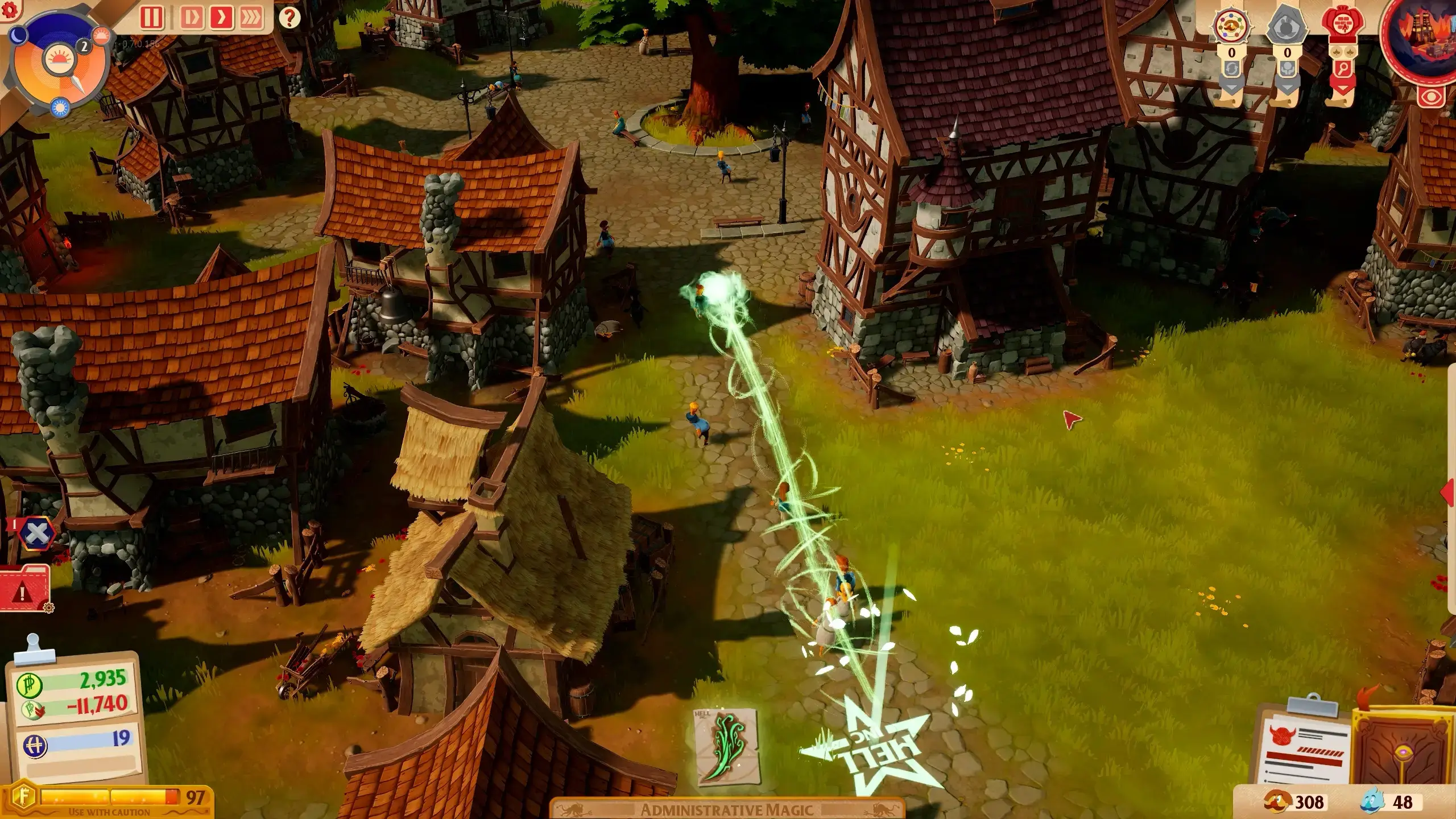
In the Overworld, you play as God, controlling a bunch of extremely unintelligent beings called "Humus". These sentient chickpeas live their mundane lives, working in farms, mines, forests, and various other locations where you can find jobs. However, unlike Two Point Hospital, your job isn't to build houses and give tasks to your workers.
Your role as God is limited by your ability to influence the life of sentient organisms. While your Humus don't have buildings or jobs you can build for them, you still have access to a number of divine abilities that can affect their lives. Need more souls for Hell? Summon the winds and blow them into the sea! Raided by lizardmen? Strike with lightning!
This dynamic interaction is really interesting since it affects how much sin each mortal accumulates during their lifespan. They can become gluttons because they don't get enough food, and then their gluttony goes to your Hell once they die. Of course, you can encourage them to become Saints, which will improve your Humus population, but they'll be hell to process in your factories.
You can also encourage mortals to worship you, thus turning them into Cultists. They won't be as productive as regular humans, but they won't die easily. As a result, their lifespan is longer, providing more time for accumulating sin and bringing more souls for your factory.
Diabolical Charm and Presentation
Overall, the game feels like a hellish version of Two Point Hospital. In the beginning, you are introduced to God himself, and then he sends you to Hell to meet with your manager, a funny succubus called Lili. She gives you instructions throughout the game, and her voice acting is superb. Her witty dialogues add humor and personality to Sintopia.
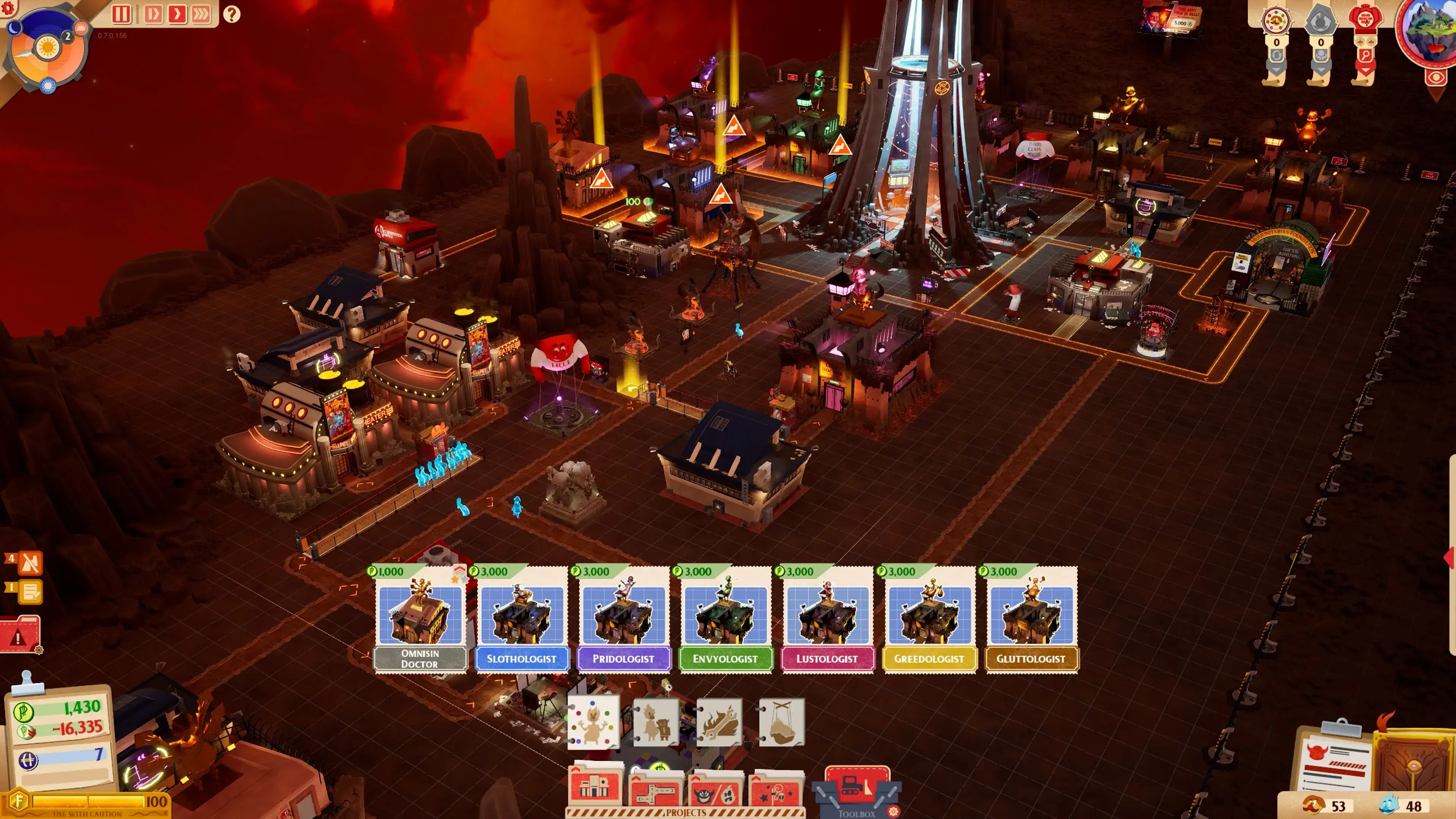
The visuals of Sintopia are absolutely delightful. The art style is charming, the animations are smooth, and everything is responsive to player actions. Even the paper documents, signs, and other elements are hilarious and entertaining to discover. The user interface is very clean, and transitioning between the worlds is almost seamless.
Office Politics and Doom Spiral
While the game mechanics are excellent, Sintopia currently struggles with some very obvious issues that keep players from enjoying it fully.
To begin with, the game is extremely bad at explaining progression mechanics. The tutorials barely touch upon the meta-levels of the game that determine its difficulty and overall approach to the problem. For example, if you buy the wrong types of upgrades in the beginning, you will ruin your run, even if it seems easy in the first place.
Once you reach the later stages of your campaign, you might start feeling a bit frustrated. There is a really harsh economy in Sintopia, and if you can't afford something due to poor planning, your imployees will go on a strike. Because of that, you won't be able to process souls for extra income, thus making a vicious cycle impossible to solve without restarting a mission.
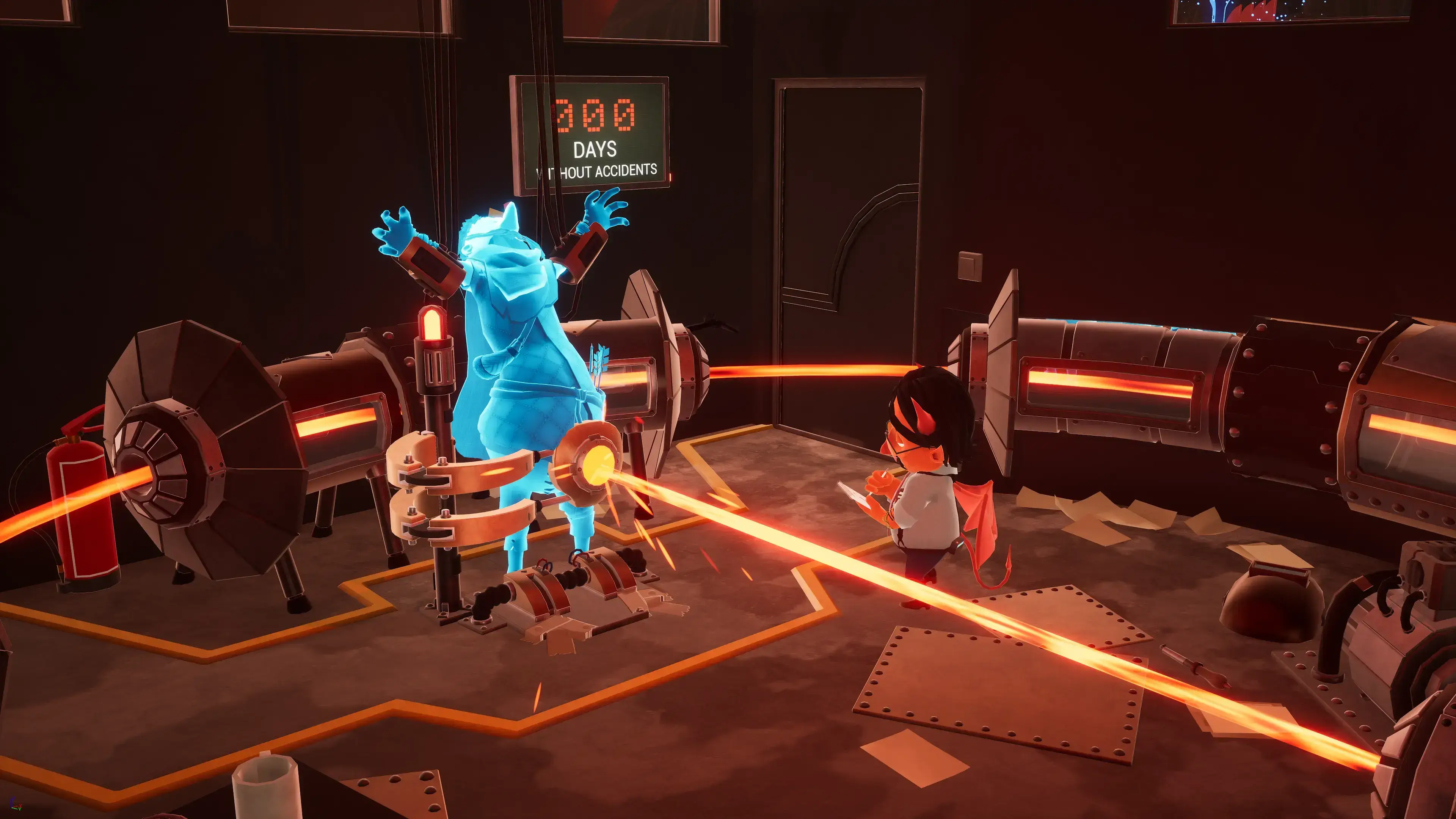
In addition, starting from level 4, your souls' logic gates might break and cause them to freeze in the middle of your factory. It is extremely frustrating considering that you spend all your efforts on automation, and the fact that they don't work properly is a major setback in your plans. Overall, the game isn't terribly long with a campaign lasting only 30-35 hours.
Verdict
Sintopia is a really entertaining tribute to god games of the late 90s. It features a steep learning curve, extremely difficult economy, and a few flaws that will make you restart several levels in a row. Yet, once you get a hang of the game and set up your factory, Hell will bring you lots of joy!
Great
| CPU | Ryzen 9 7900 |
| RAM | 32Gb |
| GPU | RTX 4080 |
Disclosure: review copy of Sintopia was provided by PressEngine for evaluation purposes.