Introduction
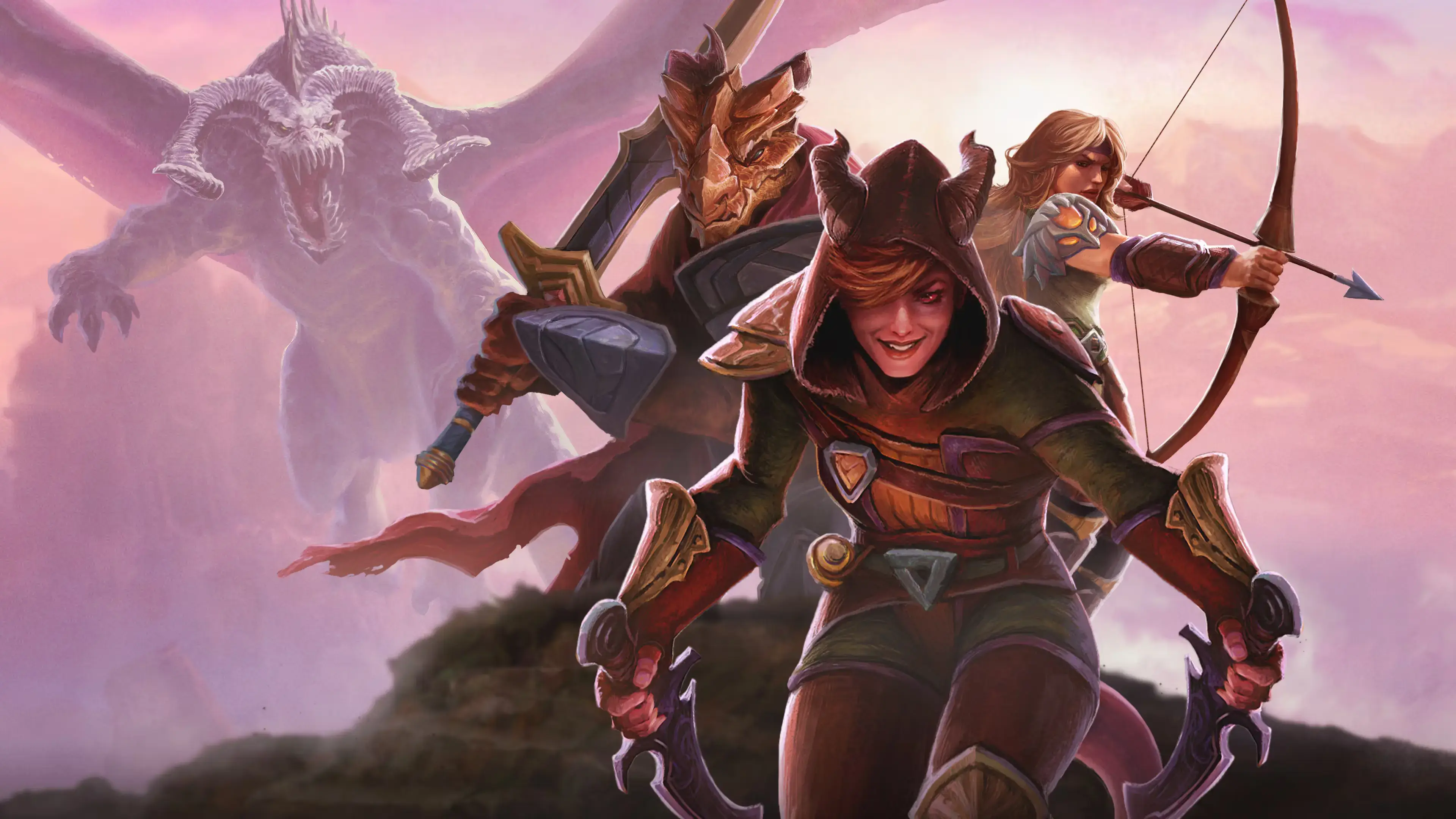
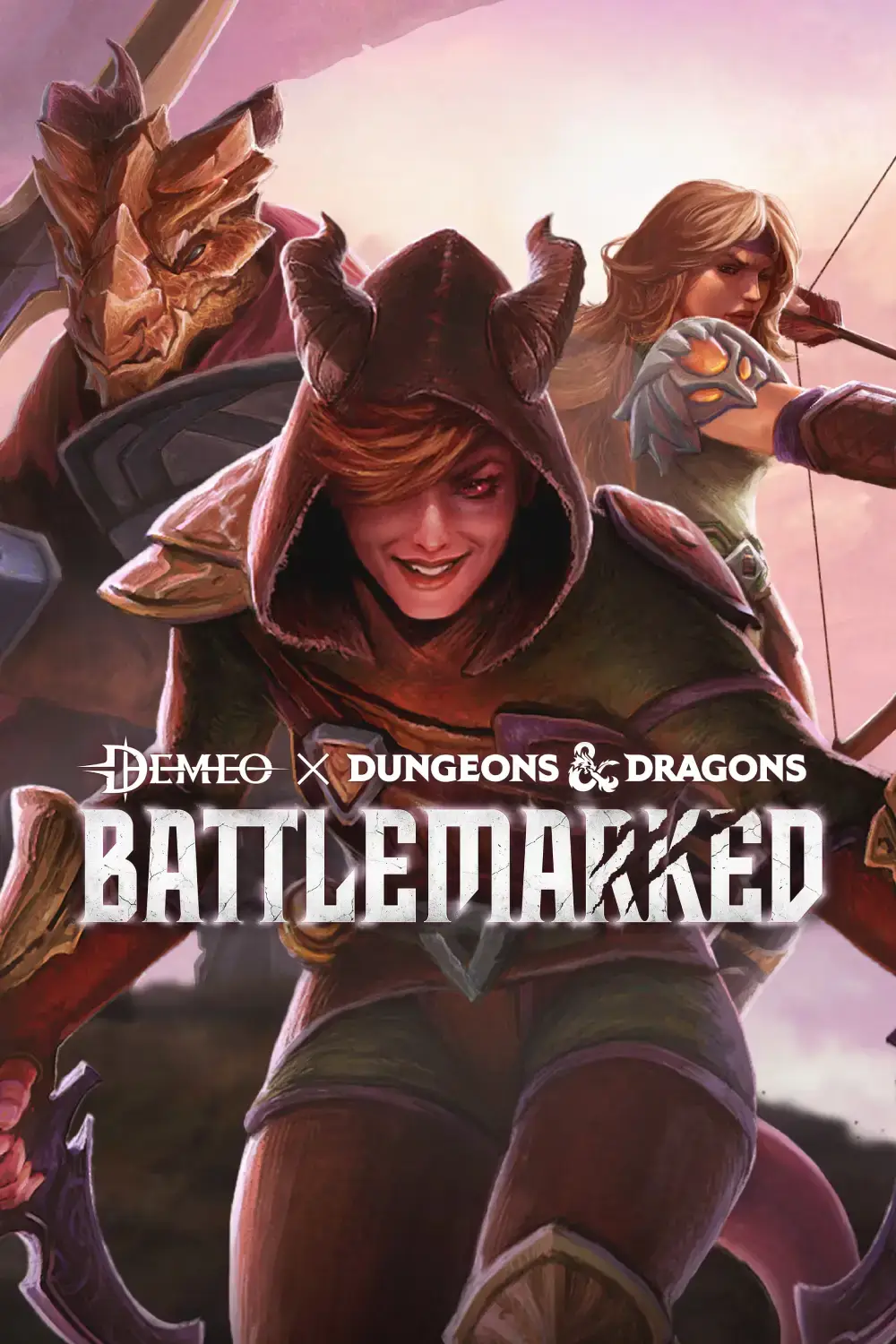
Demeo × Dungeons & Dragons: Battlemarked marries the tactical digital board game design of Demeo with the fantasy structure of Dungeons & Dragons set in the Forgotten Realms. It plays out similar to a streamlined tabletop session with cards, positioning, turn-based moves, and story-driven campaign structure. Resolution Games has managed to do something remarkable with the help of Wizards of the Coast: create a system where the feel of the tabletop stays, but its digital form displaces downtime and accelerates decision-making.
Setting and Atmosphere
Locations include Neverwinter Wood, Cragmaw Castle, Icewind Dale, and Frost Keep, drawn directly from the lore of D&D. The campaigns are filled to the brim with goblins and frost giants, magical hazards, and other classic dungeon threats. The tone holds fast to the core of fantasy exploration in D&D: small parties, perilous journeys, hidden conspiracies, and that weighty feeling in every turn.
Gameplay
Battlemarked is an extension to the enhanced Demeo Action Roleplaying System. Emphasis in every session will be about
- Turn-based encounters
- Card-driven abilities
- Tactical movement
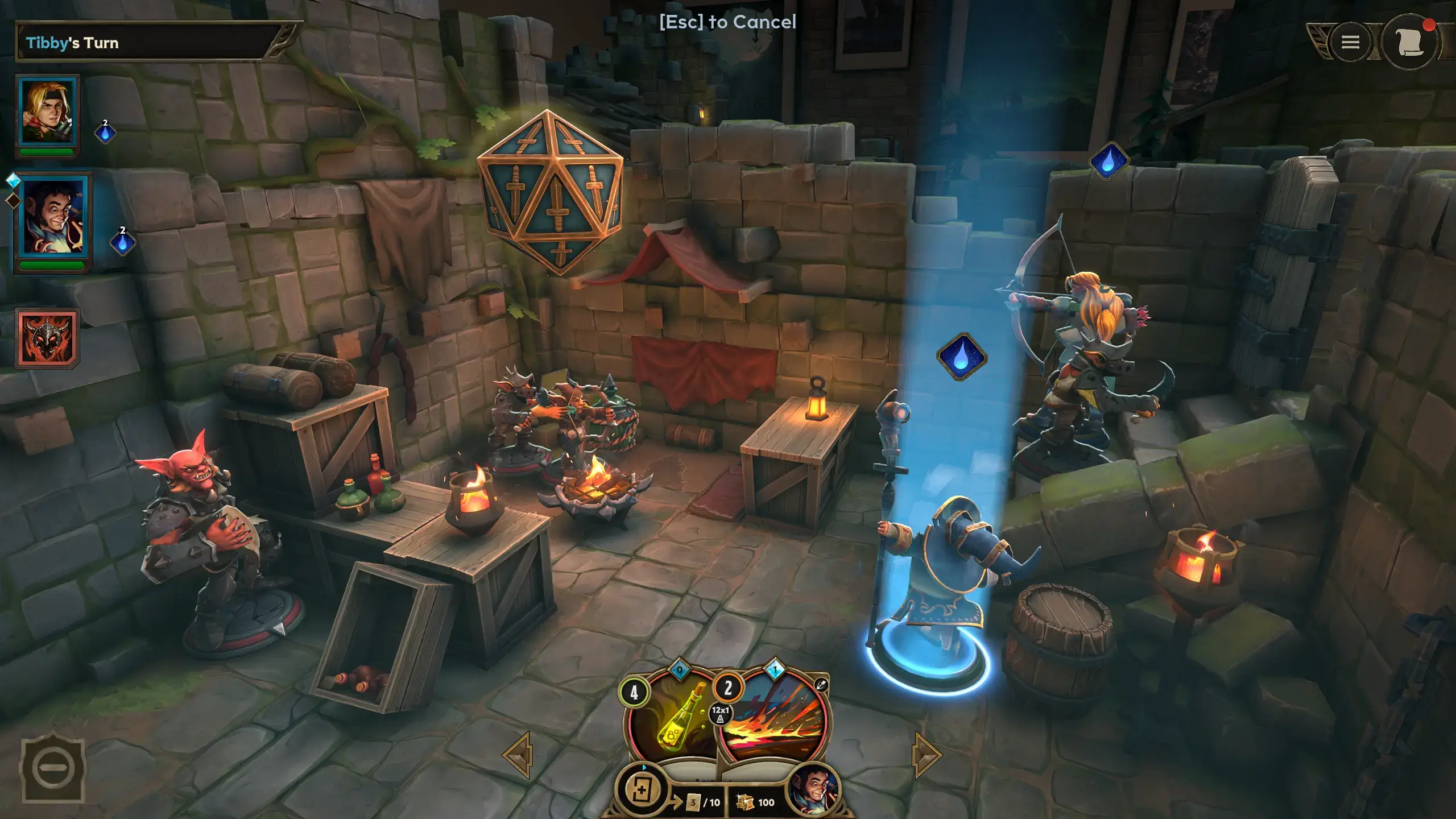
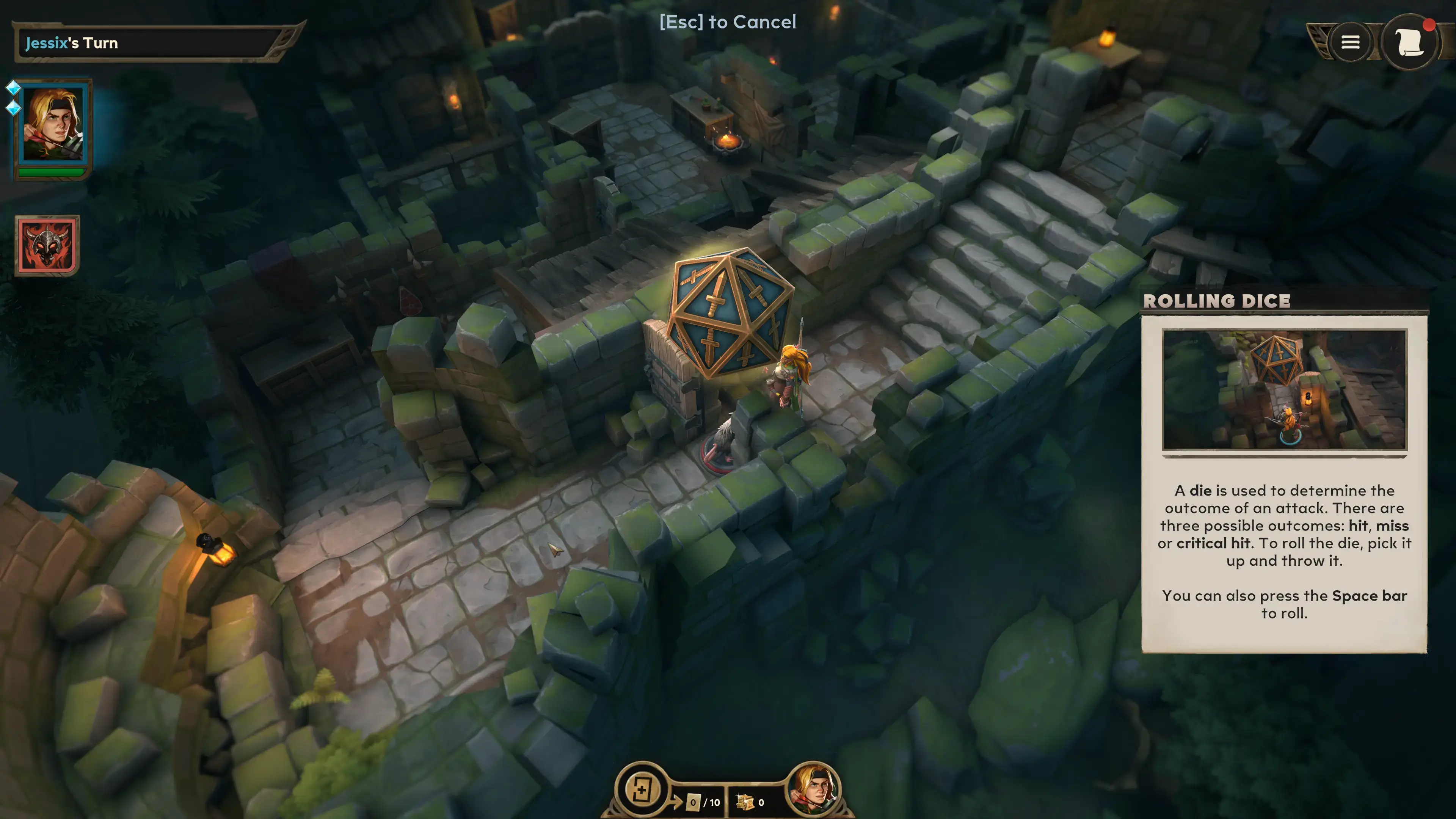
Board awareness and hazard control are a big part of the combat in this game, hugely dependent on drawing cards and their use. You draw a new card upon taking damage or discarding whatever cards you have, and it always keeps turns fresh, not stuck on stale rotations. Abilities make use of terrain, line-of-sight, and status effects inside a readable yet flexible system.
The attack-position restriction still feels like a weakness: you can't attack from the same tile twice-you have to move, no matter how many of the tiles surrounding your character are ablaze, poisoned or under a layer of gas. It's an unnatural break in tactical flow and, all too often, it forces you into unnecessary risk.
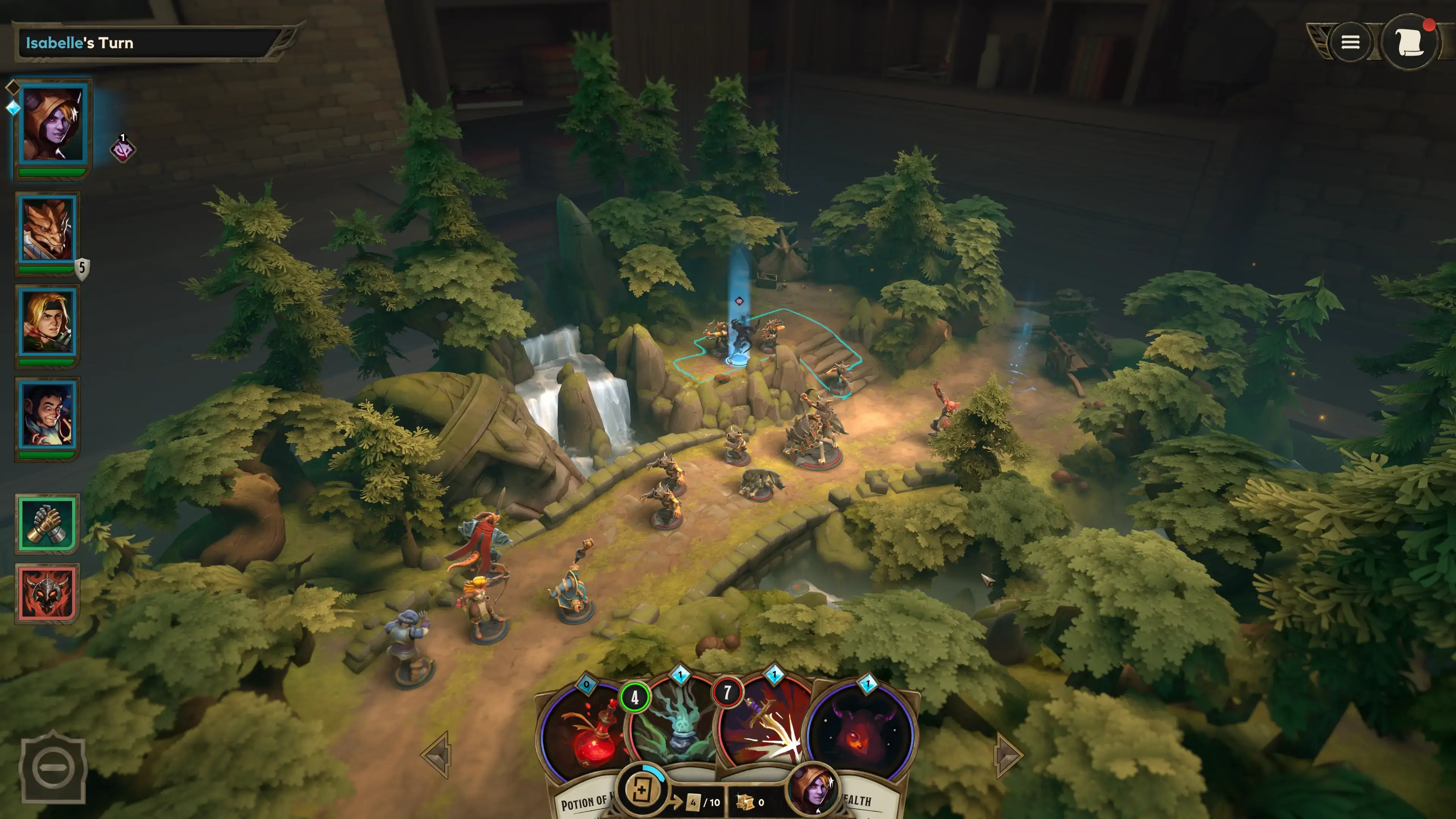
Another problem is the density of the enemies, mostly when it comes to the early game. Most of those encounters have too many spawned enemies at once, causing uneven difficulty spikes that come much too early in the game.
Classes and Character Progression
There will be six classes to play at first: Paladin, Sorcerer, Ranger, Rogue, Fighter, and Bard. Each class fulfills the expected D&D role: either defense, healing, spell damage, ranged control, or utility.
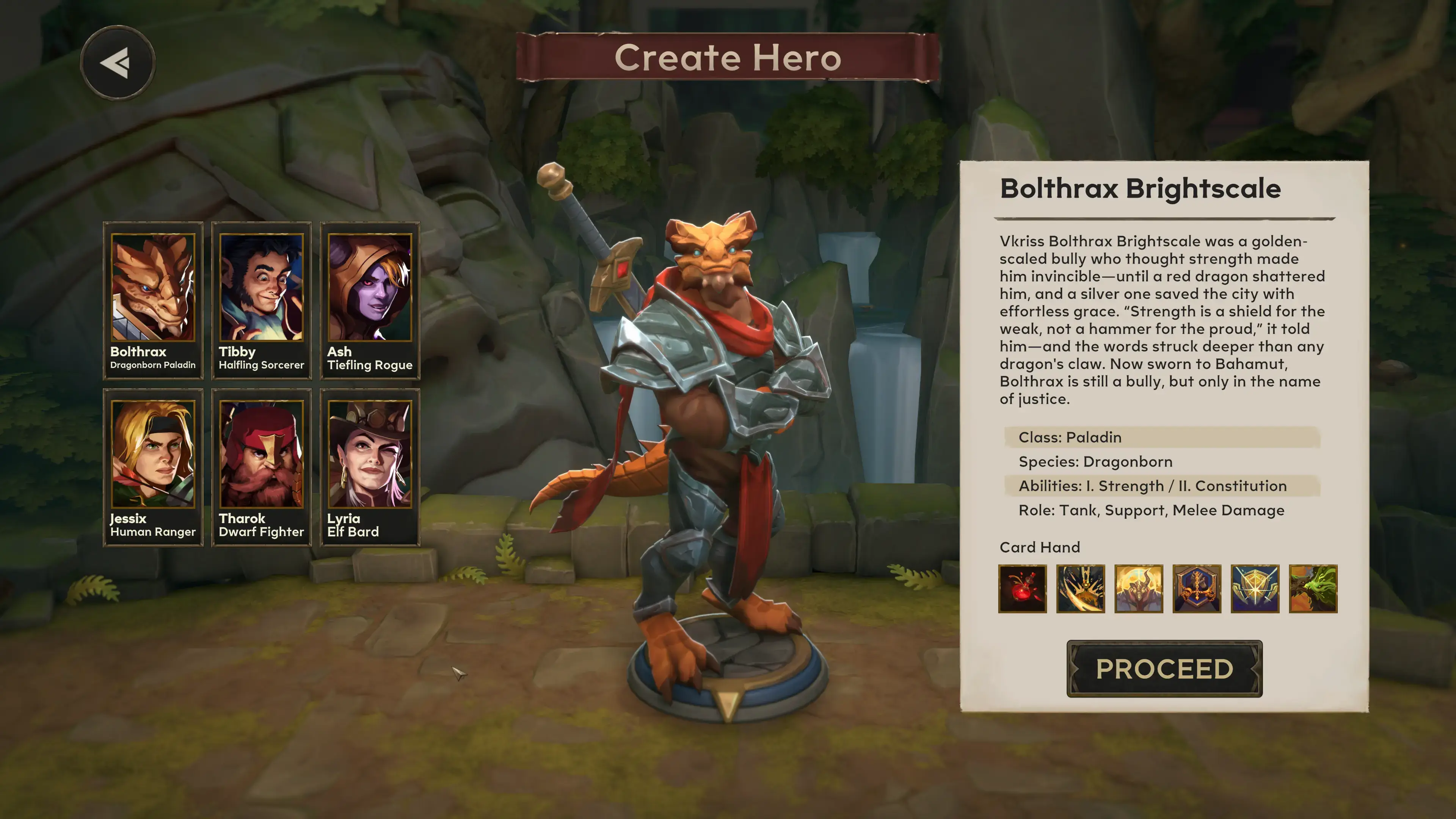
Unlike with standard roguelikes, there is no reset of progress after each quest. Characters level up permanently. You increase ability scores and select traits that define your build, giving each hero their long-term identity, and it encourages running the same campaigns repeatedly.
Story Campaigns
At launch, the game features two full campaigns, which will take you through more than 12 hours of structured content:
Embers of Chaos:
You expose a goblin conspiracy in the Neverwinter Wood, then delve into volcanic regions beneath Mount Hotenow. This adventure features outdoor exploration mixed with underground danger.
Frost Crown:
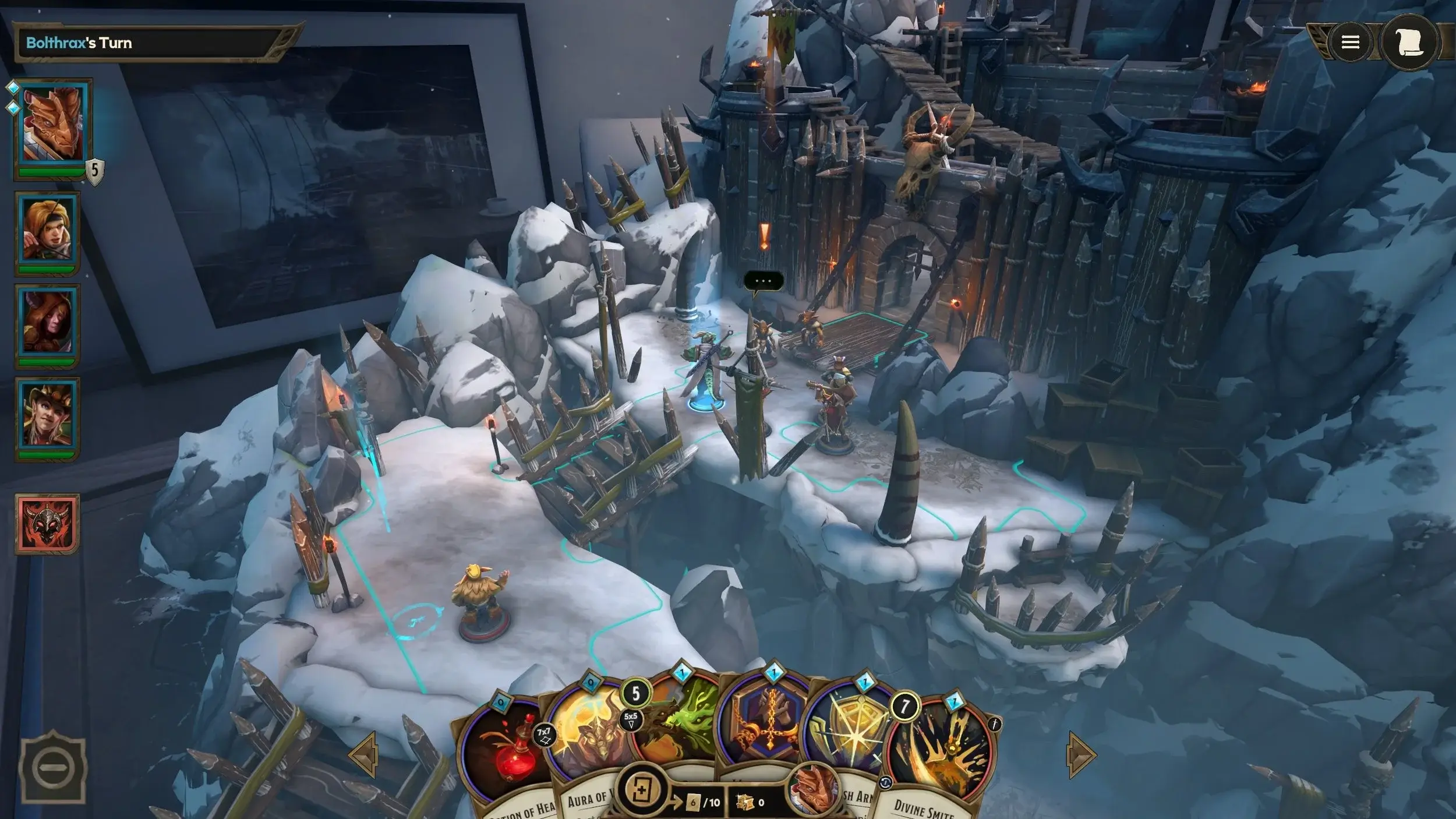
Get ready for a frost giant uprising in Icewind Dale, from the Ten Towns to frozen halls like Frost Keep. This story will lean a bit more toward survival aspects, cold hazards, and large-scale threats. Choices in narrative matter, but the game keeps them concise. The plot guides progress without ever slowing down the tactical loop.
Co-op and Replayability
Up to four players can join the same session. Such coordinated usage of cards, positioning, and placing traps creates clear roles within a team. Co-op isn't just an extra mode; by design, it encourages combined actions and synchronized strategies. In Skirmish mode, one may also play solo-you will be in control of the whole party. Randomized encounters, shifting layouts, and combinations of class and trait contribute to replayability. Each session changes enough to avoid repetition.
Visuals and Presentation
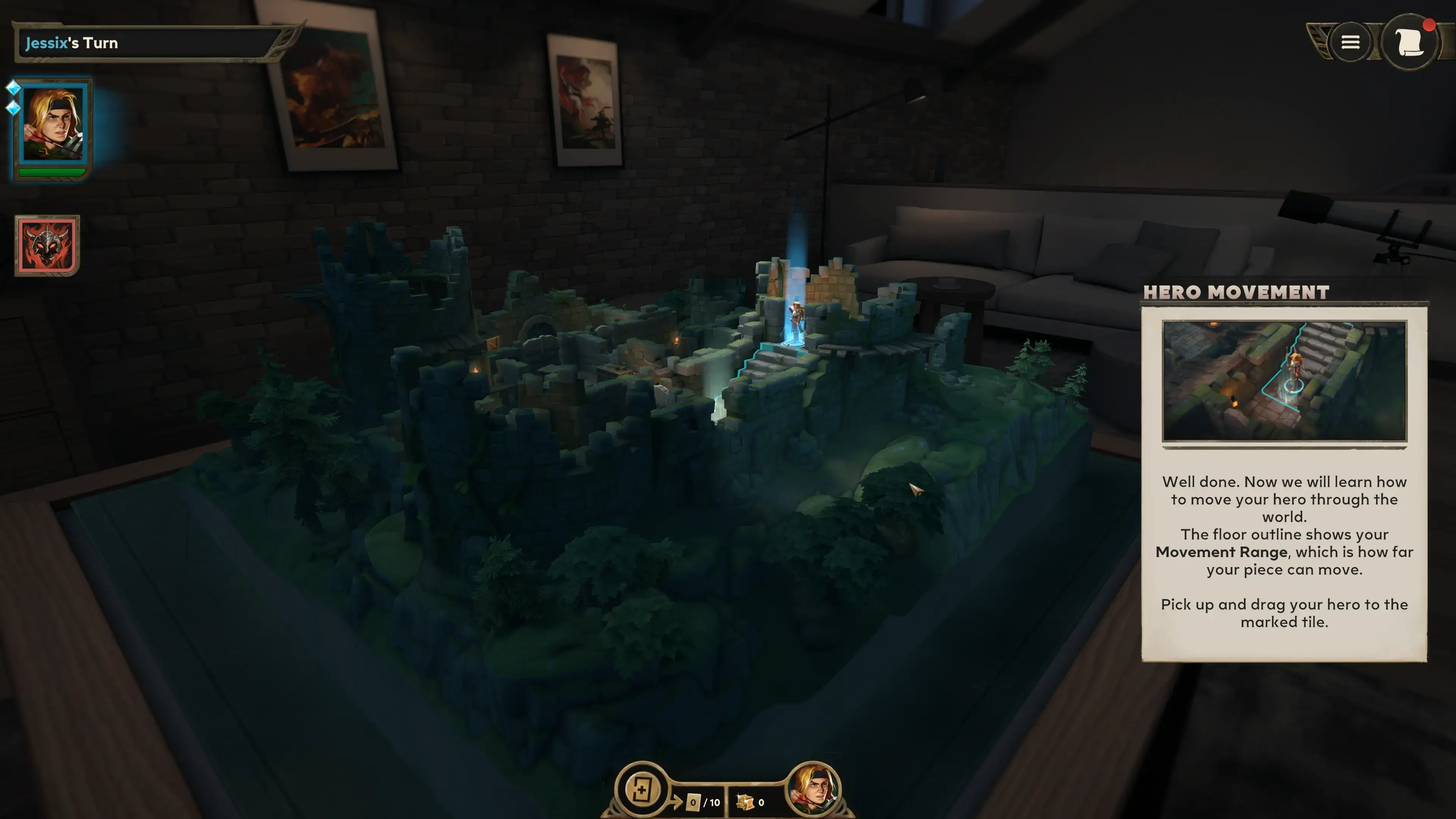
The board style is clean and very readable. Everything fits together very well within the fantasy setting-from the lighting to the terrain shapes to the enemy models. Of course, a big limitation comes into play with hero miniatures being static-they change poses but lack fluid animation. Everything else feels alive; yet, heroes feel too still. The game runs smoothly on Steam Deck, VR is a decent plus, and full crossplay across platforms is supported.
Conclusion
Generally speaking, there are only a few mechanics that really hold it back, such as early enemy pressure and the forced movements before attacks, but core design is sound.
Great
| CPU | Ryzen 9 7900 |
| RAM | 32Gb |
| GPU | RTX 4080 |
Disclosure: review copy of Demeo x Dungeons & Dragons: Battlemarked was provided by Resolution Games for evaluation purposes.